How Armor Gym scaled with culture, payment reconciliation, and multi-location growth
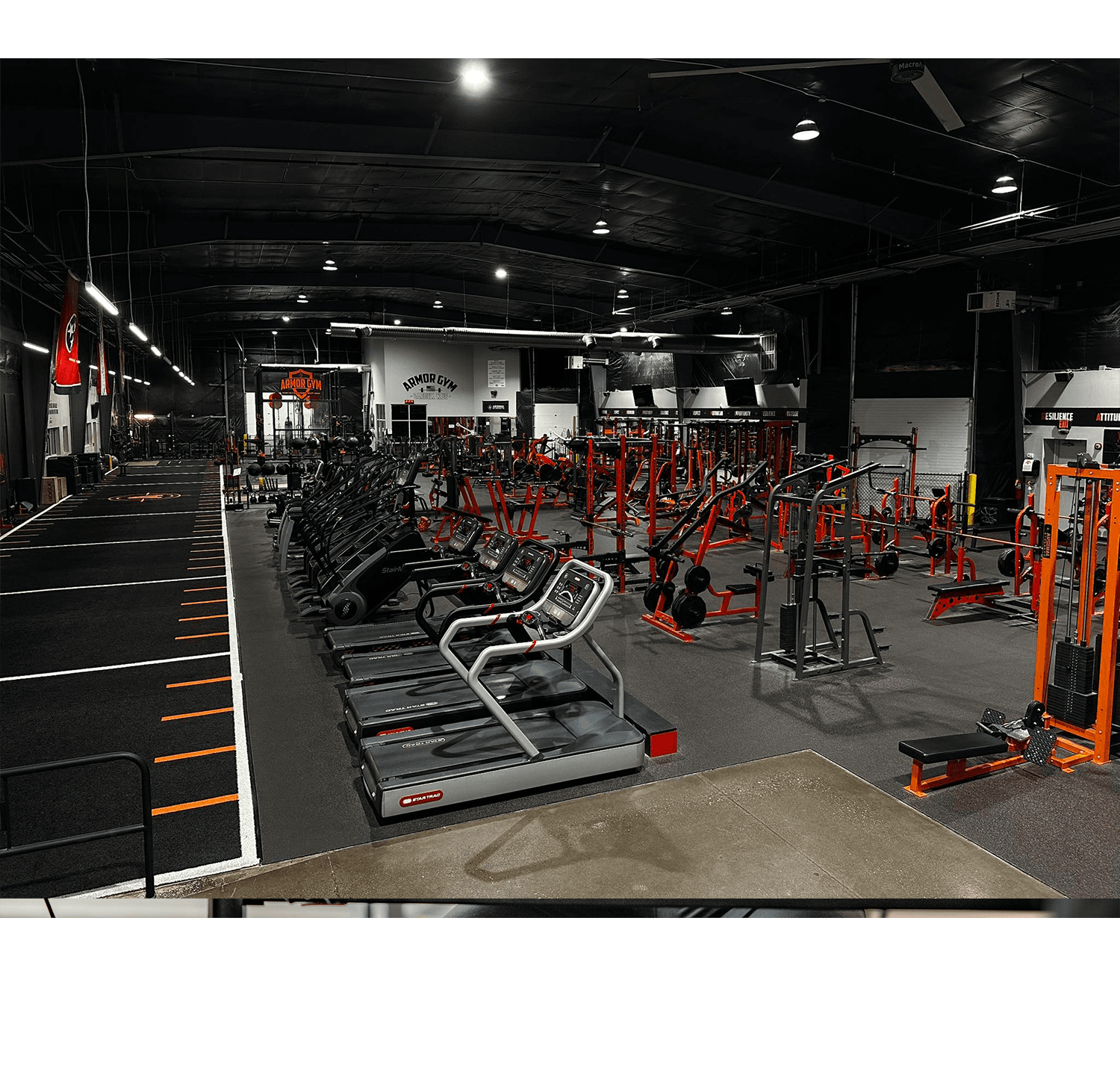
This Club Automation customer success story explores how Armor Gym scaled from one location to two, with a third on the way, while preserving its community-first culture.
For independent gym owners, growth can be a double-edged sword. Expansion creates new opportunities, but it can also threaten the very thing that made the business successful in the first place: the feeling that members belong.
For Armor Gym, scaling required more than great equipment. It required systems and processes that could support multi-location growth, simplify payment reconciliation, and give operators confidence in their day-to-day operations.
Multi-location growth rooted in local community
Armor Gym’s flagship Knoxville location is approaching its 10th year in business, a major milestone in a competitive industry. Its second location in Oak Ridge is wrapping up year one with strong momentum, and the team is already planning a third location. That kind of growth is notable on its own. It is even more impressive because Armor is a locally owned business scaling on the strength of its model, its people, and its reputation.
The two current locations serve very different communities. Knoxville is the flagship and home to roughly 2,400 members. Oak Ridge, with about 1,400 members in its first year, is a smaller, tighter-knit market with a strong local identity. While Oak Ridge may not offer the same raw population as Knox County, it offers something equally valuable: a built-in sense of community and loyalty. Armor saw the opportunity to take over an existing space there, bring its brand and service model into the market, and build something members would rally around.
That community mindset has become central to how Armor thinks about growth. For Armor Gym, multi-location growth is not about scale alone, it’s about replicating a culture that makes every member feel like the gym is theirs.
The turning point: From warehouse gym to brand-led experience
Originally, the gym had a more industrial identity — a “warehouse style” environment that people knew for its gritty feel and strong equipment lineup. But when the current ownership took over, the opportunity was not just to preserve what worked. It was to transform the overall experience. Bass described the earlier version of the business as a gym people liked mainly for the equipment and vibe, but not necessarily for the culture.
The team began reworking the business from the inside out. They added stronger branding throughout the facility, refreshed equipment, clarified their values, and focused intentionally on cleanliness and service. The goal was to keep the strength-training credibility Armor was known for while making the gym feel more welcoming, more consistent, and more member-centered.
The result was a meaningful culture shift.
Bass says one of Armor’s informal ways of measuring success is simple: Are people smiling? Are they talking? Are they high-fiving? For a strength gym, especially one that can feel intimidating on first impression, those signals matter.
The team did not want a space where everyone kept to themselves. They wanted a gym where members felt comfortable, known, and connected. That kind of environment cannot be forced overnight. It must be built deliberately over time.
Today, that effort is reflected in how members describe the business. According to Bass, the gym is now known for top-tier staff, cleanliness, strong equipment, and a “feels like home” atmosphere. That is a very different brand story than simply being a cool place to train.
Service-first hiring became the real unlock
For Armor Gym, culture is not a poster on the wall. It is a hiring strategy.
Bass came into fitness from the restaurant industry and he brought that service mindset with him. In fact, two of Armor’s location managers also came from working alongside him in that environment. He knew how they operated, how they led people, and how they showed up for a team. That trust made it possible to build a leadership structure that could scale across locations without losing the brand’s core values.
That same philosophy now shapes how Armor recruits more broadly. Fitness credentials alone are not enough. In interviews, Bass says the team is less interested in talking about workouts and more interested in understanding why a candidate wants to serve people. They actively look for people with hospitality instincts, who naturally care about others.
Listening to members is part of the operating model
Armor’s member experience strategy is not based on guesswork. It is built on constant feedback.
Bass keeps his office door open and spends time on the floor talking with members. He asks what they love, what they dislike, and what would make the gym better. The team also uses a suggestion box at the front desk and gathers recurring themes from staff conversations with members. Bass’s view is simple: if you ask people, they will tell you what needs to improve. The key is being willing to listen and then act on what makes sense.
That approach helps Armor reinforce the sense that members are part of the business, not just buyers of a membership. It also gives leadership real-time insight into friction points, whether that is layout, amenities, apparel ideas, or customer experience opportunities.
Why Armor Gym chose Daxko Club Automation for multi-location growth
As Armor Gym expanded, the team needed a platform that could scale with them, not just function for a single location but support long-term multi-location growth without adding complexity.
Bass says the switch to Club Automation began almost by chance, when Club Automation representative Christian visited the gym while in town and introduced himself. That initial meeting led to a deeper look at the platform. Bass saw enough to move forward, and the transition experience helped validate the decision.
Implementation stood out early. Bass described the onboarding process as clear, structured, and well organized. The Club Automation team laid out roles, expectations, and next steps in a way that made the process manageable. He said the team knew what they were doing and communicated it clearly.
“Club Automation is extremely robust. The front end was harder to learn, but once you really know what you’re doing, you can make it do a lot for you.”
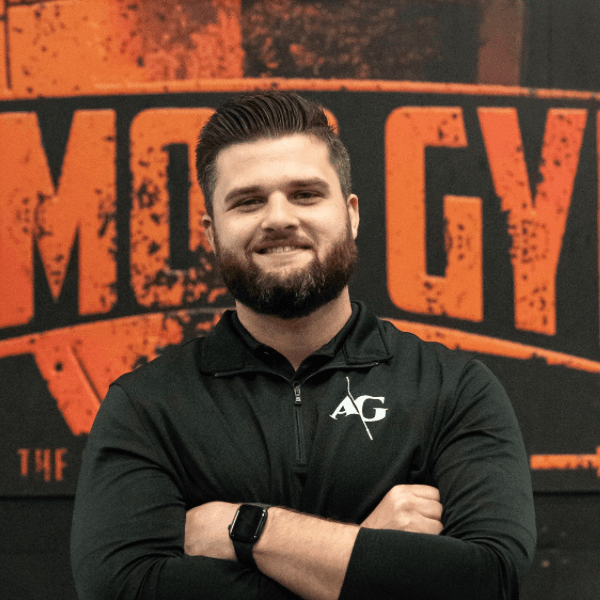
Dustin Bass
Regional Manager, Armor Gym
That robustness became a major advantage. What initially felt complex ultimately gave Armor the flexibility to manage operations across locations more effectively, a critical requirement for scaling.
The operational win: Payment reconciliation and reporting clarity
For Armor Gym, one of the biggest operational wins has been clarity around payment reconciliation.
In many gym businesses, revenue reporting can feel opaque. Operators often trust that payments are correct without fully understanding how funds are processed, deposited, and reconciled.
Bass emphasized that Club Automation provides clear, detailed monthly statements that show exactly how revenue flows from transactions to deposits to fees.
“You can look at your credit card processing statement at the end of the month, and it matches up every single penny.”
Dustin Bass
Regional Manager, Armor Gym
That transparency matters because it creates confidence. Operators can see what was processed, when funds should land, and how fees were applied. Instead of wondering whether the numbers are right, Armor’s team can reconcile statements and move forward with certainty.
For an operator responsible for keeping locations healthy and preparing for more growth, that level of visibility is more than convenient. It is foundational.
He also emphasized that Club Automation’s reporting power goes beyond payments. Because the platform is so robust, the team can tailor reports to what they need, once they learn how to use it. That combination of flexibility and transparency gives Armor stronger operational control as it grows.
For operators managing multiple locations, this becomes even more critical. As complexity increases, so does the need for systems that make financial tracking simple, accurate, and easy to trust.
Support that feels human
Software matters. Support matters just as much.
Bass described Club Automation’s support team as responsive, accessible, and easy to communicate with. He appreciated being able to reach people and get answers from staff who understood the platform. He also pointed to fast response times when issues affected operations, including an instance where a payments-related disruption was resolved quickly.
“The customer support is easy to communicate with. I can call, and I’m getting a person that knows what they’re doing.”
Dustin Bass
Regional Manager, Armor Gym
Just as important, he sees the relationship as personal rather than transactional. Christian stayed in touch after the sale, checked in periodically, and even stopped by the gym in person.
What’s next for Armor Gym’s growth
Armor Gym plans to open its third location by the end of 2026, continuing its expansion across East Tennessee. But growth for the team is not just about adding another pin to the map. It is about carrying the same standards into each new market: service-first staff, visible leadership, strong member relationships, and systems that make day-to-day operations easier to trust.
That is what makes Armor’s story compelling. It is not simply a growth story. It is a story about scaling without losing the local, personal feel that members value most.
Conclusion: Scaling with clarity, confidence, and community
This Club Automation customer success story shows that successful growth is not just about opening new locations, it’s about building the systems and culture to support them.
Armor Gym’s approach to multi-location growth demonstrates that you can expand without losing your identity, as long as you stay grounded in community, service, and strong leadership.
At the same time, operational clarity, especially around payment reconciliation plays a critical role in building confidence as you scale. When operators can trust their numbers, they can focus on what matters most: delivering great experiences to members.
For gym owners and multi-location operators alike, the lesson is clear: growth works best when culture and operations evolve together, supported by systems that make it easy to run your business with confidence.
Take the next step in your growth journey
Strong brands deserve strong systems.
Whether you’re managing a single fitness facility or scaling into multiple locations, your technology should empower your staff and create exceptional member experiences.
Club Automation helps fitness businesses simplify operations, improve payment reconciliation, and confidently support multi-location growth, without sacrificing the personal touch that sets your brand apart.
Learn how Club Automation can help your fitness business scale with confidence.