Why relying on week-old data is hurting your gym club’s day-to-day decisions
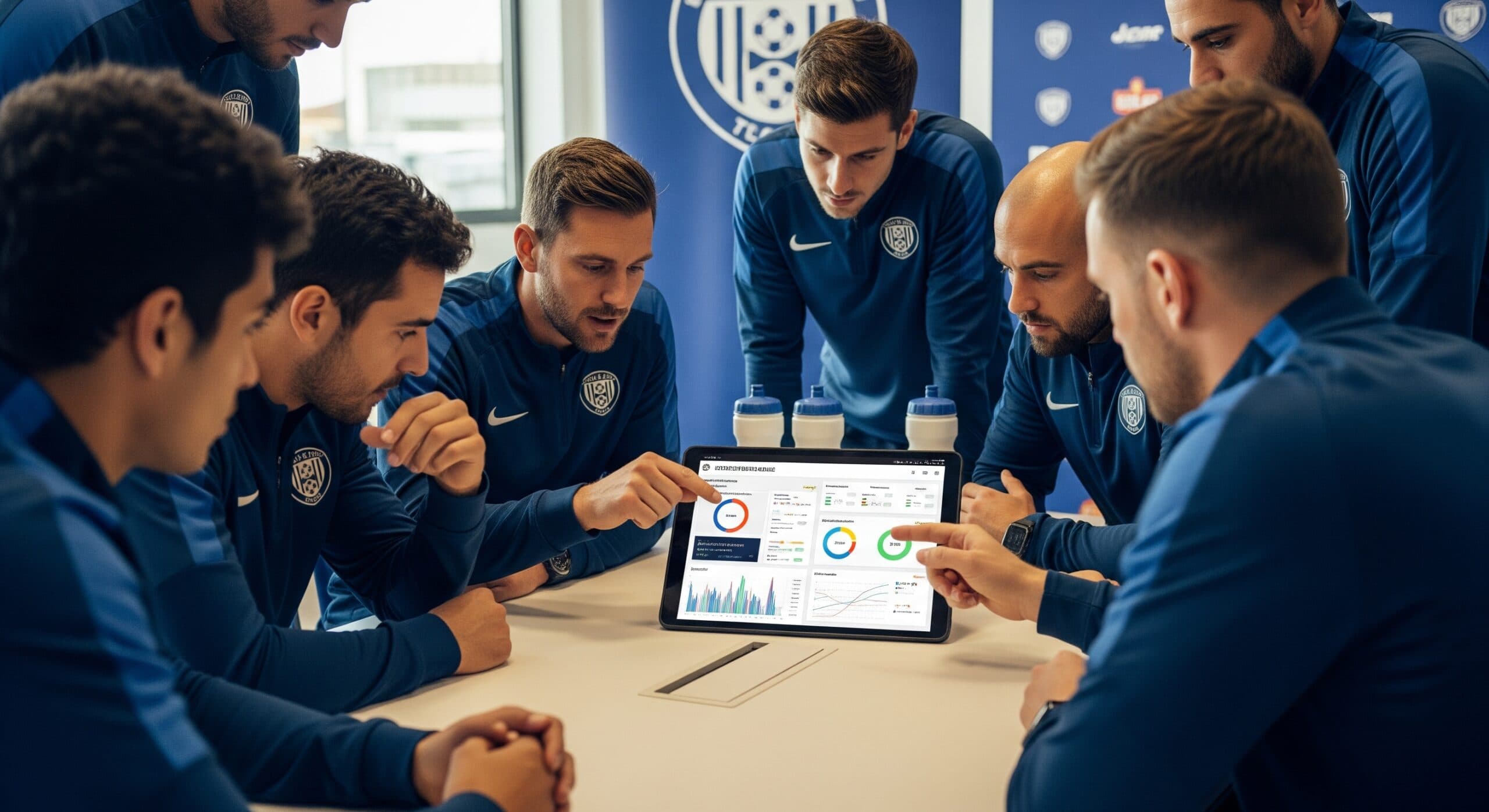
Your club’s performance is only as strong as the teams driving it day to day. But when the data those teams rely on is a week old, decisions get made on instinct rather than evidence — and small problems that could have been caught early compound into larger ones that show up in monthly reviews when it’s too late to course-correct easily.
A performance metrics dashboard for health club teams changes that dynamic.
Not by burdening staff in numbers, but by putting the right metrics in front of the right people at the right time — so every team level, from front desk to regional director, can act on what’s actually happening rather than what happened last reporting cycle.
What happens when team visibility is delayed
Weekly and monthly reports have their place. But between those reports, teams operate on instinct and assumption. A check-in dip that’s been building for 11 days doesn’t surface until the weekly review. A class that’s been running at 40% capacity for three weeks stays on the schedule because nobody flagged the trend.
The operational cost of that lag isn’t always visible in any single incident. It accumulates in the small decisions that weren’t made because the data wasn’t available — the re-engagement outreach that didn’t go out in time, the scheduling adjustment that didn’t happen before member frustration set in, the staff allocation that didn’t shift to match actual demand.
Leveraging live dashboards to make faster operational decisions documents this pattern directly — the operational decisions that change when teams have real-time visibility versus scheduled reporting cycles. Daxko Club Automation’s club management software surfaces those metrics continuously, giving every team level the current data to act on rather than waiting for someone to compile a report.
What role-specific dashboards actually change
Front desk and membership teams acting on today’s numbers
New sign-ups, cancellations, and class registration trends visible as they happen give front desk and membership teams the context to serve members better in the moment. A membership coordinator who can see that three members haven’t visited in two weeks can flag them for outreach today rather than discovering the pattern in next Friday’s report.
That’s the difference between proactive service and reactive damage control — and it starts with having current data available at the team level, not just at leadership.
Instructors and program managers tracking utilization in real time
Which classes are filling up? Which are running below viable occupancy? Where is waitlist demand indicating a second session should open? Using real-time analytics to drive operational and retention decisions shows how program managers use live utilization data to make scheduling decisions based on current demand rather than historical averages that may no longer reflect member behavior.
Staff performance tracked without creating surveillance culture
Task completion rates, member interaction volume, training session delivery — tracked at the individual and department level in a way that creates accountability without micromanagement. When everyone sees the same performance data, the conversation shifts from subjective assessment to shared metrics. High performers are visible. Gaps become coaching conversations rather than performance surprises. Maximizing instructor utilization with fitness club software for staff and instructor management shows how that visibility changes staff allocation decisions — connecting instructor performance data to scheduling strategy rather than treating them as separate management functions.
Cross-location alignment through shared data
For enterprise operators, the alignment problem scales with location count. When each site tracks performance differently and reports on different cycles, pattern recognition across the network becomes nearly impossible.
Standardized dashboards across every location mean all teams work from the same KPI definitions, the same reporting structures, and the same real-time data. A regional director comparing location performance isn’t reconciling different reports — they’re looking at the same metrics applied consistently across every site. Gym management software built for enterprise operations handles that network-wide data standardization as part of the core platform rather than as something that requires manual alignment between site-level reports.
When a location is outperforming network averages on class fill rates, the data is visible immediately — making it possible to identify what they’re doing differently and replicate it elsewhere. When a location is underperforming on retention, the signal surfaces early enough to direct resources before it becomes a larger problem.
Frequently asked questions (FAQs)
What is a performance metrics dashboard for health club teams?
It’s a real-time interface that surfaces the operational KPIs most relevant to each team’s function — check-in volume, class utilization, revenue trends, member engagement signals, staff performance metrics — updated continuously rather than compiled on a scheduled reporting cycle.
How does real-time visibility improve team decision-making?
It compresses the feedback loop between what’s happening and when teams can respond to it. A trend that would surface in next week’s report gets caught today — when there’s still time to adjust staffing, outreach, or scheduling before the pattern compounds into a larger operational problem.
What KPIs should health club team dashboards track?
New member sign-ups and cancellations, class attendance and utilization rates, daily check-in volume versus baseline, revenue by department and location, member engagement trends, and staff task completion and performance metrics — configured by role so each team sees the data most relevant to their function.
How do shared dashboards improve alignment across club locations?
Standardized KPI definitions and reporting structures applied across every location mean all teams work from the same metrics rather than site-specific report formats that require reconciliation before cross-location comparisons are meaningful.
Can performance dashboards be customized by team role?
Yes. Role-based dashboard configuration ensures a front desk coordinator sees check-in and membership metrics while a program manager sees class utilization data and a regional director sees location-level performance comparisons — without any role navigating information built for a different function.
How does Club Automation support real-time performance tracking for health club teams?
Club Automation’s platform consolidates check-in, scheduling, billing, member engagement, and staff performance data into continuously updated dashboards with role-based access — giving every team level the real-time visibility to make decisions grounded in current operational data rather than scheduled reporting cycles.
Ready to give every team member a clear view of what they need to hit?
Club Automation gives health club operators the real-time performance dashboard infrastructure to align teams around shared data, catch performance gaps early, and make faster decisions across every department and location. Book a demo.